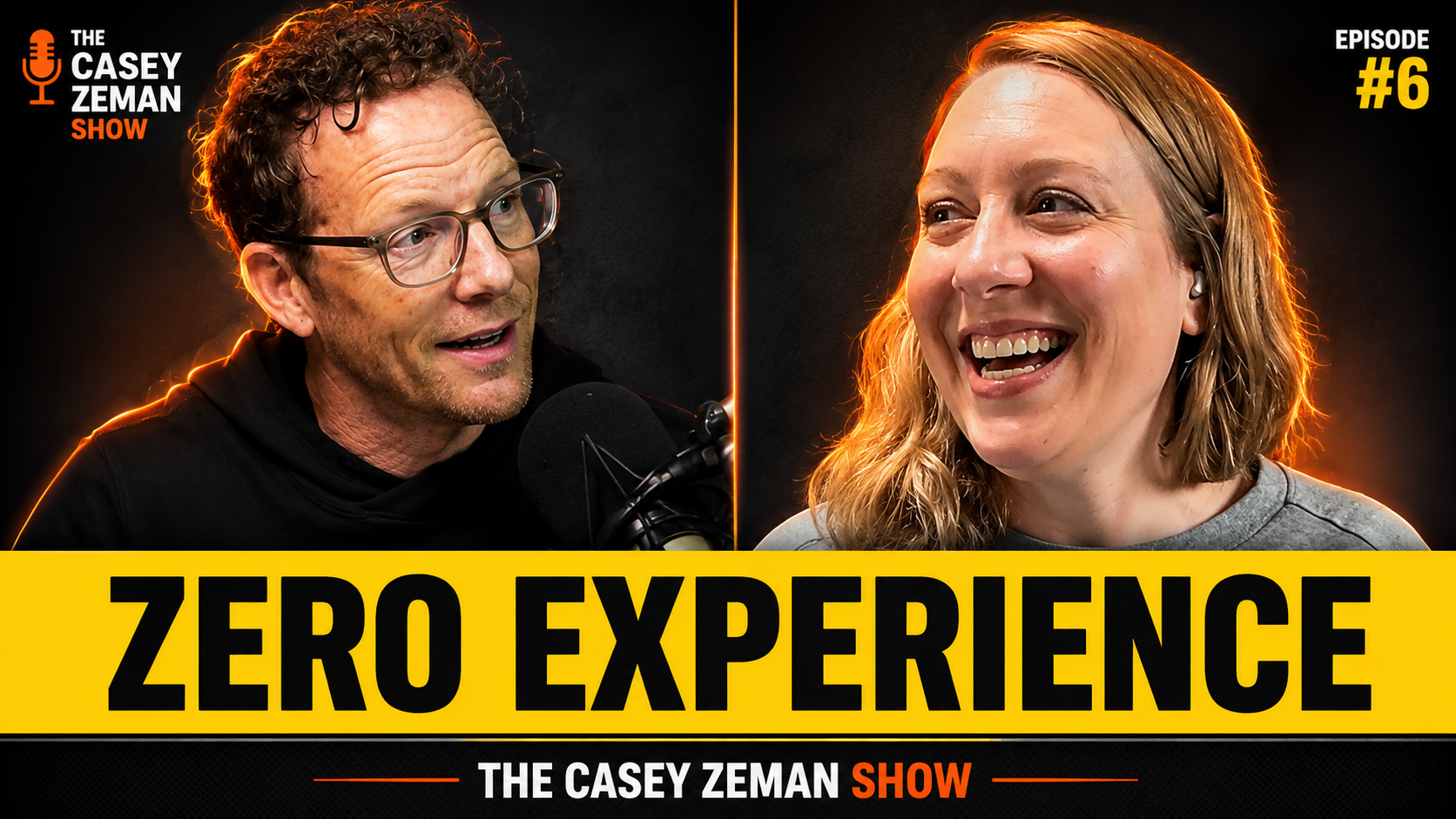
This week I had a lovely chat with Kira, and it ended up going in a direction I wasn’t expecting. We started with the usual topics around growth and building a brand, but we kept drifting into the parts people don’t usually talk about.
One of the first things she said was something simple, but it stuck. Every entrepreneurial journey has a breakdown before it has a breakthrough. Not in a dramatic, motivational way, but in the kind of way you only really understand when you’ve been in it yourself. Those moments where things stop working the way they used to, where you’re putting in effort but not seeing the return, or where you’re just not sure what the next move is supposed to be.
What stood out is how normal that actually is, even though it rarely gets said out loud. I’ve lived a version of that myself. When I lost my job in real estate, it wasn’t a clean pivot into building something new. It was messy. I couldn’t find another job, money was running out, and I had to figure something out quickly. That’s when something clicked for me that most people don’t really think about until they’re in it. There isn’t really a safety net on either side. A job can feel secure until it isn’t, and entrepreneurship feels uncertain until you start creating your own path.
Figuring it out as you go
Kira’s journey looked different, but it followed a similar pattern. She didn’t start in golf at all. Her early experience was in music and photography, reaching out to publicists, shooting concerts, and interviewing artists. That eventually led her into a marketing role in a golf and travel media company, even though she had never played golf herself. Over time, she worked her way up to VP, managing everything from websites to digital publications.
At one point, she was asked to create a content series around learning golf as an adult. That was supposed to be the starting point, but the pandemic disrupted those plans. What followed was a stretch where the work didn’t really stop, and over time it started to take a toll. The pace, the lack of boundaries, and the pressure eventually led her to step away and focus on her mental health.
That decision wasn’t about having a clear next step. It was about recognizing that continuing the way things were wasn’t sustainable.
But the interest in golf stayed with her. When she came back to it, it wasn’t from a place of expertise. It was from the exact opposite. She started learning golf as an adult, knowing she wouldn’t be good at it, and chose to share that process openly. And that’s where things started to click.
Instead of trying to position herself as someone who had already figured it out, she documented what it looked like to be in the middle of learning. The awkwardness, the mistakes, the slow progress. And the people who followed her weren’t professionals. They were people who saw themselves in that same position. That’s what made the content work.
Something that really stood out to me here is that most people aren’t experts. They’re beginners or somewhere in between. So when they see someone who feels like them, not ahead of them, but alongside them, it makes the whole thing feel more accessible.
Building before you’re ready
That same idea showed up in how I built my own business. When I first created my online course, no one bought it. I tried sharing it in different places, but nothing really worked. It wasn’t until I started running webinars that things began to shift. Those webinars weren’t polished. I was still figuring things out, oversharing, not always structured, but people showed up, stayed, and eventually started asking if there was something they could buy.
That changed everything. Instead of trying to perfect the product first, I focused on creating a space where people could engage in real time. I built an email list during those sessions, understood what people actually needed, and adjusted my offer accordingly.
Even pricing followed that same path. I started lower, then increased it, and realized that higher prices brought in more serious buyers, people who were more committed, more engaged, and less likely to drop off. And none of it started in perfect conditions.
One of my early higher-ticket webinars was run from a makeshift setup, unstable internet, poor audio, nothing about it was ideal. But it still worked. Not because it was polished, but because it connected.
The shift that matters
That’s really the thread that runs through all of this. Whether it’s building a brand, creating content, or selling something, what actually makes it work isn’t just clarity or structure. It’s how closely it matches what someone is already experiencing.
That’s the shift that feels more relevant now. People aren’t just looking for information. They’re looking for something that feels familiar to their current situation. That could be learning something new as an adult, trying to figure out why something isn’t converting, or being in that in-between phase where things technically work, but don’t feel right anymore.
When something reflects that back to them, it lands differently.
You don’t have to convince them it matters. They already know it does. And that’s why showing up before everything is polished tends to work better than waiting until it is. Because the moment you’re still figuring something out is often the moment your audience relates to the most.
Kira built her brand from that place. I built my business through that process. And both of those paths point to the same thing. You don’t need to have everything figured out for something to work. You just need to be close enough to the moment your audience is in that they can see themselves in it. When that happens, attention follows, people stay longer and trust builds faster, and the next step feels like a natural continuation instead of something they have to think twice about.
If you enjoy conversations like this, I share more of them on my YouTube channel. You can subscribe to stay updated, and watch the full episode here.