There’s something I’ve been hearing more and more these days, and you’ve probably heard it too. People keep saying webinars don’t work anymore, or they’ll tell you they tried it once, got some signups, a few people showed up, and then nothing really happened. No sales, no traction, just a lot of effort that didn’t seem to go anywhere. And after a while, it starts to feel like maybe webinars just aren’t worth it anymore.
But the truth is, webinars still work. They just don’t work the way they used to.
The real problem isn’t webinars. It’s the model.
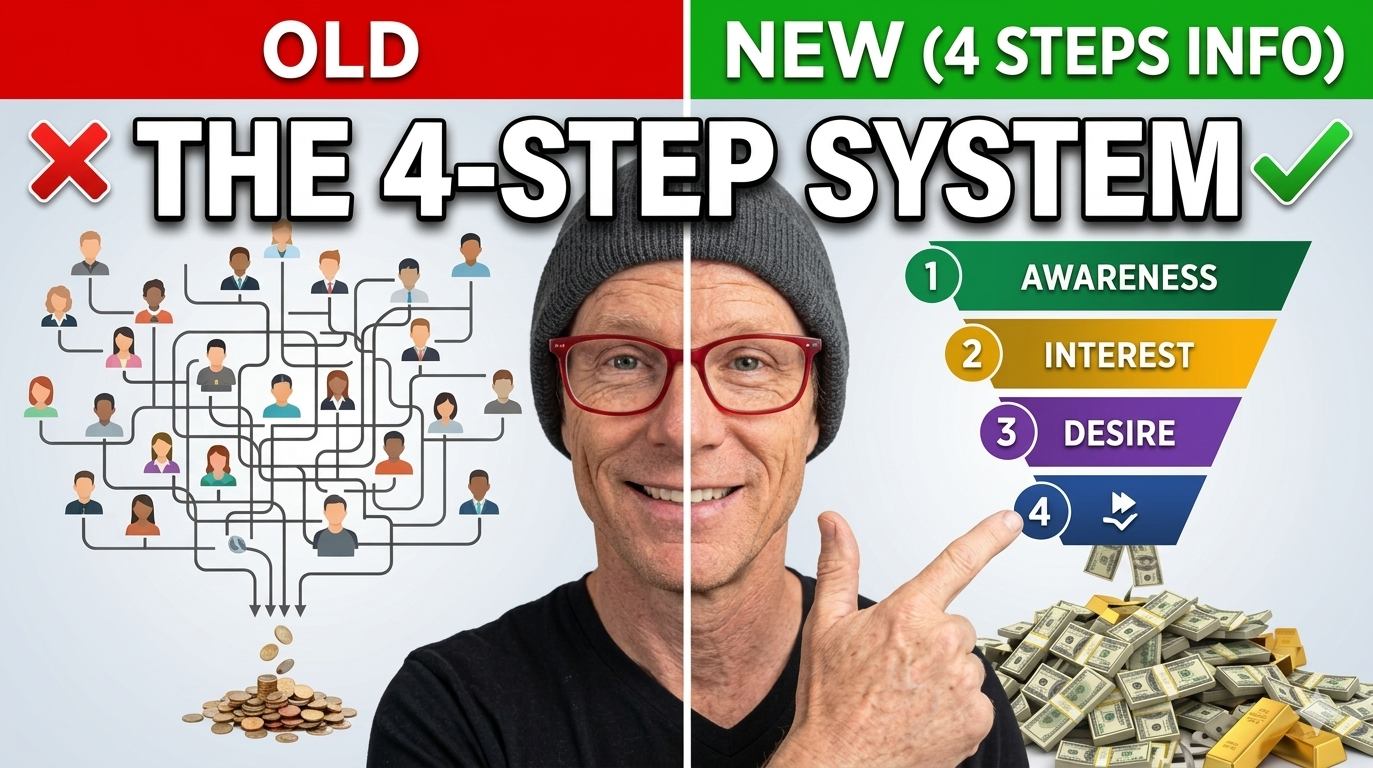
What’s actually happening is that most people are still trying to run webinars using an older model that was built around long, complex funnels. The idea was to move people step by step from awareness to interest to desire to action, with different pieces of content and multiple funnels supporting each stage. On paper, that sounds structured and logical, but in reality, it becomes overwhelming very quickly.
You end up building too many moving parts, connecting too many systems, and spending months trying to get everything right before you even know if it works. And even after all that effort, there’s no guarantee it will convert.
What’s working now is much simpler and, honestly, a lot more practical. Instead of trying to build five different funnels, you focus on one system that actually moves people forward.
You bring people in through an ad or your content, send them to a registration page, have them attend a webinar, and then give them a clear next step, whether that’s making a purchase or booking a call. That’s it. One flow, one system, one thing to improve over time.
Why webinars still convert so well
The reason this works so well is that a webinar compresses the entire journey into a single experience. Instead of trying to build trust over weeks or months through scattered content, you do it in a focused 45 to 60-minute session where you explain the problem, walk through the solution, and help people see themselves in what you’re offering.
When done right, it creates clarity and momentum in a way that very few other formats can.
The mistake that keeps people stuck
One of the biggest mistakes people make is thinking they need to get everything perfect before they start. They worry about whether their slides are good enough, whether the pitch is structured correctly, or whether they’re saying the right things in the right order.
That pressure is usually what keeps people from ever getting started or makes them overthink the entire process. The reality is, you don’t need a perfect webinar. You just need to show up and help.
What actually worked for me
When I first started, I didn’t have polished slides or a refined pitch. I wasn’t even particularly confident as a presenter. I would stumble, overshare, and figure things out as I went.
So instead of trying to make everything perfect, I ran live webinars every week with no pitch at all. I simply showed up, talked through problems, and shared what I knew.
And what ended up happening was that people started asking where they could go deeper, learn more, and whether I had something they could buy. That’s when I realized it was working, not because it was perfect, but because it was real and useful.
There’s also a bigger shift happening right now that’s worth paying attention to. We’re in a moment where everything is becoming more automated, more optimized, and more driven by AI.
And because of that, people are starting to crave real human connection again. I’ve seen this even with high-level businesses that have already scaled significantly. They’re moving back toward live workshops and real-time interaction, not because automation stopped working, but because connection is what actually drives decisions.
When you show up, talk to your audience, answer questions, and engage in a real way, it creates a level of trust that no perfectly scripted funnel can replicate.
Why the webinar alone isn’t enough anymore
At the same time, one of the key things we’ve learned over the years is that a webinar alone isn’t always enough. What happens after the webinar matters just as much as what happens during it.
That’s where most of the missed opportunities actually are. People attend, they show interest, but there’s no structured follow-up to guide them toward the next step.
That’s why we built a CRM directly into EasyWebinar, so that instead of stopping at the webinar, you can continue the conversation. You can follow up with people based on their behavior, reach out to those who showed interest, and create a more intentional path toward conversion.
Sometimes, the difference between someone not buying and actually closing the deal comes down to a single follow-up that never happened.
Does this work for your niche?
Another question that comes up a lot is whether this approach works across different industries or niches. And the answer is yes, because at its core, this isn’t about the industry, it’s about solving a real problem.
Whether someone is selling a course, running a coaching program, building a community, or offering a service, the structure remains the same. If you can clearly communicate a problem and guide people toward a meaningful solution, a webinar becomes one of the most effective ways to do that at scale.
If there’s one thing to take away from all of this, it’s that you don’t need more complexity to make webinars work. You don’t need more funnels, more tools, or more layers. What you need is a simple system, a clear message, and the willingness to show up consistently and help people solve real problems. When you focus on that, everything else starts to fall into place.
What to do next
If this is something you want to explore further, you can register for my free webinar workshop where I talk about how to create, test & scale million-dollar webinars that land clients.
And if this resonated with you, feel free to subscribe to my YouTube channel. I share more content like this where we break down what’s actually working right now when it comes to webinars, messaging, and building systems that scale without burning you out.