There’s this moment most people don’t talk about enough, and it usually shows up right when things look like they’re working from the outside. Your launches are doing well, the numbers make sense, people know you for something, but it still feels off. Not broken, just… incomplete. Like you’ve outgrown the version of the business that once worked so well.
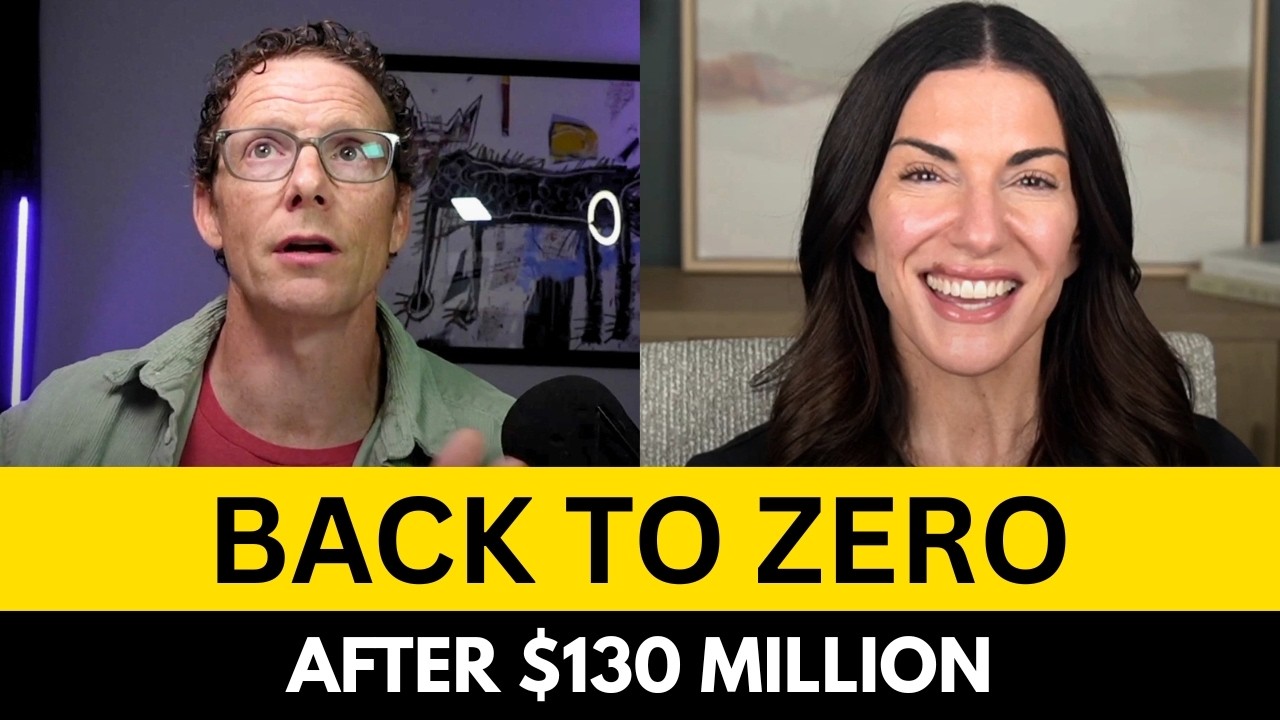
That’s exactly what Amy walked through, and what stood out wasn’t the pivot itself, but how long it had actually been building. From the outside, it can look like someone just decided to change direction overnight, but in reality, this was something she had been sitting with for almost two years, and seriously working through for at least one. It wasn’t impulsive, it was layered. It came from doing the same thing over and over again, getting really good at it, and then realizing she was being pulled toward something more advanced, something that matched where she and her audience had both grown.
And that’s where this becomes really relatable, especially if you’re running webinars or selling anything online. There’s a difference between someone who is just getting started and someone who’s already in motion and now asking, “What’s next for me?” When your audience starts asking that question, even quietly, your content and your offers have to evolve with them. Otherwise, you end up with this gap where people want to continue the journey with you, but you haven’t created the next step yet.
Why relatable content is what actually converts
What’s interesting is how much this connects to something Brandon talked about earlier, which is this idea that people need to see themselves in what you’re saying. It’s not enough to talk about growth or scaling in a broad way. It lands differently when someone reads or hears something and thinks, “That’s exactly where I am right now.” Like when you’re running webinars that are working, but you can feel they’re not hitting the same way anymore, or when your audience is showing up but not moving forward the way they used to. That specificity, that situation-based language, is what makes people lean in. It’s the difference between general advice and something that feels real.
You can watch Brandon’s episode here if you want to hear how he breaks this down in more detail, especially how he uses specific situations in titles and messaging to make content instantly relatable.
The pivot Amy made wasn’t just about changing a product. It was about responding to that exact moment in her audience’s journey. She had spent years helping beginners start, and now she wanted to work with people who had already built something and were ready to elevate it. That shift only worked because she had already put in the reps. She had done the same thing for years, built trust, built authority, and stayed in her lane long enough to earn that next move.
And that’s a part people often want to skip. There’s this urge to keep trying new things, especially as entrepreneurs, but what she reinforced is that doing the same thing repeatedly, getting known for it, and building that foundation is what gives you the leverage to pivot later. Without that, the shift feels unstable. With it, the shift feels like a natural progression.
Building through uncertainty instead of waiting for clarity
One of the most honest parts of this conversation was around how uncomfortable the transition usually is. Moving from a model she knew deeply, live launches, webinars, predictable revenue patterns, into something completely different, like high-ticket coaching with sales calls and a new team structure… that’s not a small adjustment. That’s rebuilding parts of the business from scratch.
And this is where it ties back to something a lot of people are experiencing right now, especially with AI changing how fast things move. There’s this feeling of wanting to wait until things feel clear again, until there’s a signal that says, “Now is the right time.” But what came through really strongly here is that growth doesn’t come from waiting for that clarity. It comes from stepping into something uncertain and figuring it out as you go.
That itchy feeling she described, where you’re constantly questioning if you’re doing it right, is actually the signal. Not the stop sign.
At the same time, even with all the changes AI is bringing in, there’s something that hasn’t shifted. Strategy, perspective, and experience still come from you. AI can help you move faster, it can help you execute, it can even help you structure things like webinars, emails, or pages, but it doesn’t replace the depth that comes from having done the work for years. That’s why even as they’ve adopted AI more deeply into the business, the focus has also moved toward more human connection. More live coaching, more interaction, more moments where people aren’t just consuming content but actually engaging with someone who understands what they’re building. Because when everything else becomes easier to create, that human layer becomes the differentiator.
And if you think about it, this is another place where relatability shows up again. It’s one thing to read a perfectly written piece of content. It’s another to be in a conversation where someone listens to your specific situation and responds to it in real time. That’s where people feel seen, and that’s what makes them stay.
There’s also something else underneath all of this that doesn’t get highlighted enough, which is how intentional she’s been about continuing to learn, even at this stage. Investing in programs, learning new models, putting herself in rooms where she’s not the most experienced person. Not because she has to, but because she knows it shortens the gap between where she is and where she wants to go.
And that connects back to something really simple but easy to overlook. Whether it’s investing in learning, shifting your messaging, or changing your offer, none of it works unless you actually apply it. The return doesn’t come from buying the program or having the idea. It comes from what you do with it after.
And if you had to bring it back to something practical, especially for anyone creating content or running webinars, it would be this. Instead of trying to sound better or more polished, start by asking, “What situation is my audience in right now?” and “How do I say this in a way where they immediately recognize themselves in it?” Because that’s what cuts through. That’s what makes someone stop and pay attention.
If this resonated, you can watch the episode on my YouTube channel to hear the full conversation and everything we unpacked in detail.